
 Connect

Co-Branded Virtual Cards for Businesses | FinPay
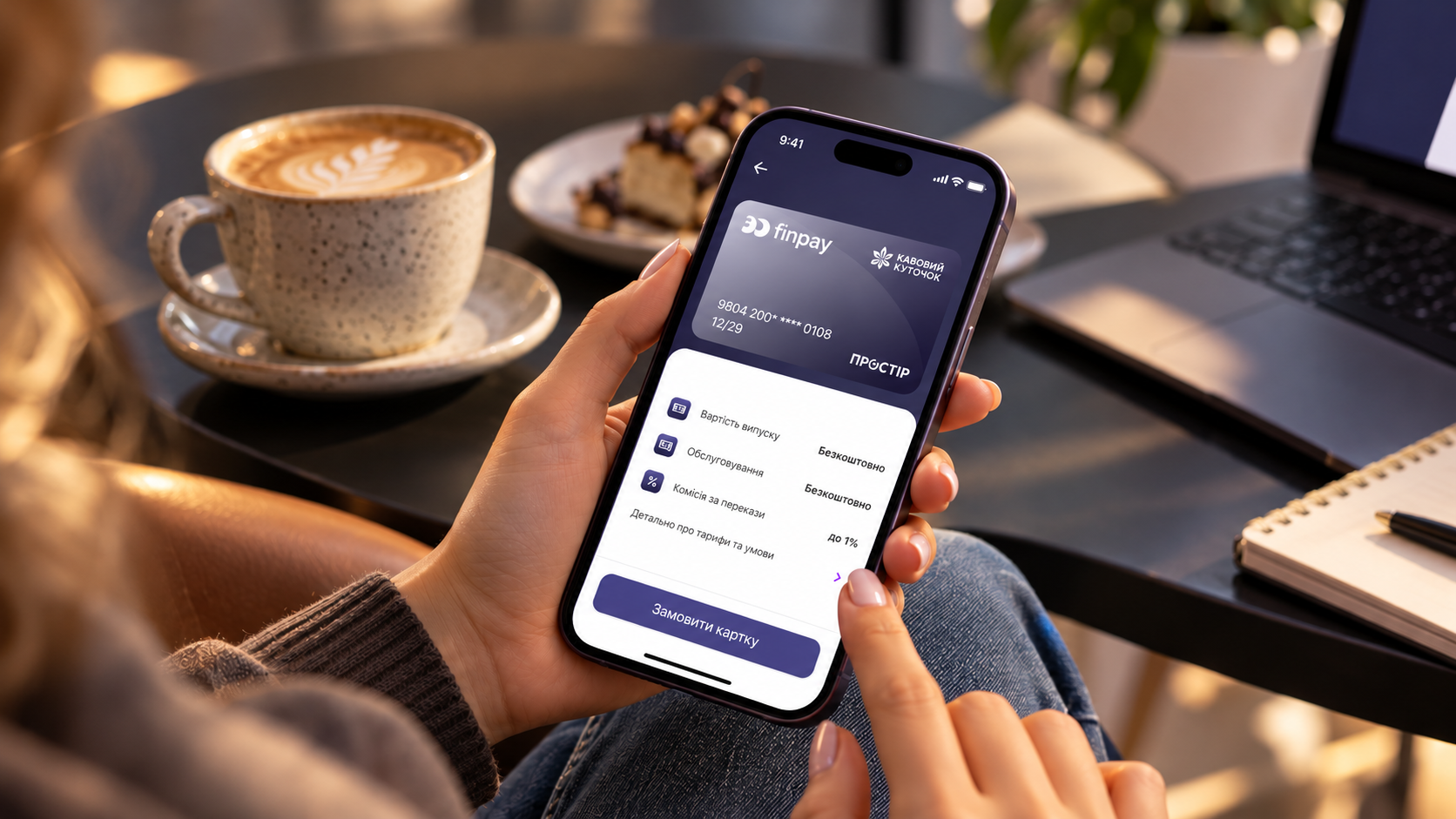
A Co-Branded Virtual Card as an Added Service for Business Customers
Customers expect more than a good core product. They also value convenient services that make their experience with a company easier. One way to expand that experience is to offer a branded virtual payment card in partnership with a payment institution.
A co-branded card combines payment functionality with a company’s brand. Customers use it in digital form, while the business gains another way to connect with its audience.
What is a co-branded virtual card?
A co-branded virtual card is a payment card developed in cooperation between a payment institution and a business partner. It is available digitally, without a physical plastic card.
The company’s brand is combined with a payment service. The card’s features, how customers access it and the terms of use depend on the product model and the processes agreed by the partners.
Why should a business consider a virtual card?
A co-branded card can extend a company’s existing service. It gives customers another reason to engage with the brand in a digital setting and can become part of their everyday experience.
For a business, this can be an opportunity to:
Expand its customer offering by adding a payment service to its core product.
Build customer loyalty with a useful service associated with its brand.
Maintain regular engagement through a digital product.
Enhance its online experience with another customer touchpoint.
Track product usage using agreed performance indicators.
The outcome depends on whether the card meets customers’ needs. Launching a new product alone does not guarantee greater loyalty or sales. Its practical value, clear terms and convenient user journey matter.
What does the customer get?
A virtual card should be easy to understand and convenient to use from the moment a customer signs up. Before launch, the business should explain where customers can access the card, how they can use it and where to get support.
A familiar brand can draw attention to the card, but the brand itself is not the benefit. The card needs to fit naturally into the company’s service and help address a real customer need.
Which businesses might benefit from co-branding?
A co-branded virtual card may suit businesses that interact with their customers regularly and want to offer additional digital services. These may include companies in finance, retail, telecommunications, digital platforms, services and other sectors.
Before launching a card, a business should consider whether customers need it and in which situations they would use it. A clear use case makes it easier to design the service and explain its value.
What should businesses consider before launch?
Launching a co-branded card requires coordination between the business and the payment institution. Before moving ahead, the partners should agree on:
The intended audience. Define who the card is for and what those customers need.
The customer benefit. Explain the value of the product in clear, simple language.
The digital customer journey. Plan how customers discover, sign up for and access the card, as well as how they can get support.
Each partner’s responsibilities. Agree on roles and processes for the chosen cooperation model.
How success will be measured. Set the relevant indicators and review period.
Possible indicators include the number of cards issued and activated, customer usage and repeat transactions. The right metrics depend on the project’s goals.
A co-branded card is part of the customer experience
A successful card product starts with a simple question: what value does it bring to the customer? When a virtual card complements a company’s core service and is easy to access and use, it can become a meaningful part of the customer’s digital experience.
FinPay is a payment institution developing co-branded card solutions in cooperation with businesses. This model brings a company’s brand together with a payment service and uses a virtual card format. To assess whether this solution is right for a business, partners should consider their customers’ needs, the project’s goals and the agreed cooperation model.